Get the answers about advanced kidney stone treatment.
Many patients come to us with lots of doubts, myths and unanswered questions. They often ask why they developed a kidney stone, whether it can be dissolved with medicines, if surgery is necessary and how they can prevent stones from recurring.
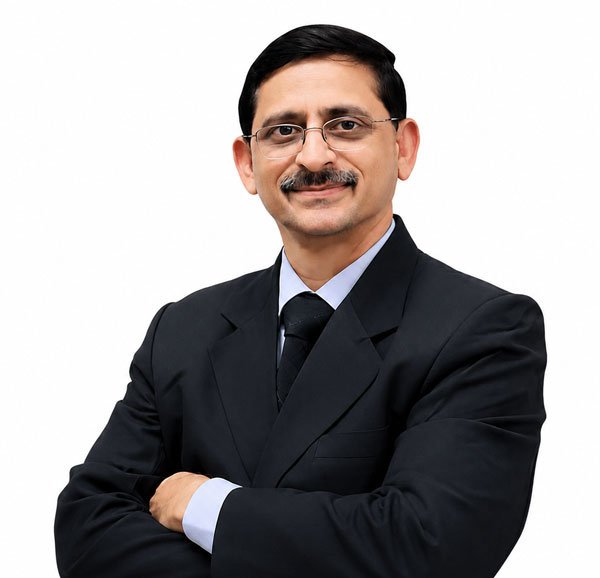
Experience: 45+
At R P Stone Clinic, Panipat, we provide accurate, trusted and genuine guidance, along with expert diagnosis and advanced treatment options, including RIRS to help you become stone-free and reduce the risk of future kidney stones. RIRS is usually a laser assisted Kidney Stone Surgery.
Kidney stones usually develop due to several factors. Kidneys normally filter waste products from the blood into urine. When certain minerals become too concentrated, they can crystallize and gradually form stones.
Common reasons include:
At R P Stone Clinic, we not only remove kidney stones but also identify why they formed. This helps prevent new stones from developing in the future.
Kidney stones are not foreign objects that enter your body. They develop inside the kidneys when minerals and salts naturally present in urine, such as calcium, oxalate, phosphate or begin sticking together. These tiny crystals slowly enlarge over weeks or months until they become a stone.
Sometimes the stone remains inside the kidney without causing symptoms. In other cases, it moves into the ureter (the tube connecting the kidney to the bladder), where it can cause severe pain.
Whether a kidney stone passes on its own or needs treatment depends on its size, location, whether it is blocking the flow of urine, the presence of infection, and how well kidneys are functioning.
Small stones often pass naturally through urine with adequate fluids and medicines. However, larger stones or those causing severe pain, infection or blockage usually require treatment.
Different treatment modalities are:-
After a detailed evaluation of scans and overall health, urologist will recommend the safest and most effective treatment.
Many people believe every kidney stone can be dissolved with medicines. But this is not true. Only uric acid stones can usually be dissolved with medicines that make the urine less acidic. But it takes long time and works only in small uric acid stones. The most common stones – calcium oxalate stones, cannot be dissolved with medications.
However, medicines may still help by relieving pain, relaxing the ureter to facilitate stone passage, treating urinary infection and preventing future stone formation.
Small stones (usually below 5 mm) often pass on their own.Doctor may advise:
However, forcing excessive water intake during severe pain or complete urinary obstruction is not recommended. If the stone is too large or blocks urine flow, waiting too long may damage the kidney.
Not every kidney stone requires an operation. The need for surgery depends on the size and location of the stone, the severity of symptoms, whether it is blocking the flow of urine, if an infection is present and how well your kidneys are functioning.
Many small stones of less than 5 mm pass naturally with medicines and adequate fluid intake. Surgery is usually recommended when:
The aim of kidney stone surgery is to remove the stone completely while protecting your kidney function.
To diagnose kidney stones, doctor will first ask about symptoms, medical history and perform a physical examination. This is usually followed by:
Modern kidney stone surgery is minimally invasive and usually does not require large incisions, allowing faster recovery, less pain and shorter hospital stay.
Kidney stone surgery removes the stones that are currently present, but it does not prevent new stones from forming in the future. If the underlying cause of stone formation is not identified and treated, kidney stones may recur after a few months or even years.
To reduce the risk of recurrence, your doctor may recommend:
Successful kidney stone treatment focuses not only on removing the existing stones but also on preventing new ones from developing.
If left untreated, large stones or stones causing prolonged obstruction and infection can permanently reduce kidney function. Early diagnosis and treatment help protect the kidneys.
Yes. R P Stone Clinic, Panipat, is empanelled with several leading health insurance companies and TPAs, including Star Health Insurance, Galaxy health Allied, Reliance General Insurance, Aditya Birla Health Insurance, Park Mediclaim TPA and Bajaj Allianz, Future Generali India and Go Digit General. Cashless treatment is available for eligible patients, subject to policy terms and approval. Read More >>
R P Stone Clinic is in Panipat, Haryana and is a dedicated centre for the diagnosis and treatment of kidney stone disease. The clinic is led by Dr. Pawan K. Gupta, a highly experienced urologist and kidney stone specialist with over 45 years of experience. He is recognized as one of the pioneers of Flexible Ureteroscopy (RIRS) in India and has been performing this advanced procedure since 1998, using state-of-the-art endourological equipment and lasers.
R P Stone Clinic address: SCF – 30 and 31, near Angel Prime Mall, Huda Sector 11, Huda, Panipat, Haryana 132103, India
If you have symptoms of kidney stones, recurrent stone disease or need a second opinion regarding laser kidney stone surgery, you can schedule a consultation with Dr. Pawan K. Gupta at R P Stone Clinic, Panipat, Haryana. Early diagnosis can help determine the exact cause of your stone, prevent complications and ensure you receive the most suitable treatment based on your individual condition.
Every kidney stone is different, so the treatment should be tailored to each patient’s need. Instead of relying on myths or delaying medical care, consult an experienced kidney stone specialist for the right diagnosis and treatment.
At R P Stone Clinic, Panipat, Dr. Pawan K. Gupta offers personalized care using advanced, minimally invasive treatments such as RIRS, ureteroscopy with holmium laser and thulium fiber laser. Along with complete stone removal, the focus is also on identifying the cause and preventing future stones. If you have symptoms of kidney stones or are looking for expert kidney stone treatment in Panipat, Haryana, book your consultation with Dr. Pawan K. Gupta today.
Trusted by renowned insurance companies and healthcare partners across the country.








 SCF – 30 and 31, near Angel Prime Mall, Huda Sector 11, Huda, Panipat, Haryana 132103, India
SCF – 30 and 31, near Angel Prime Mall, Huda Sector 11, Huda, Panipat, Haryana 132103, India.
Timing:Monday - Saturday :
10:00 AM – 7:00 PM
 97291 81174
 8607043191