Advanced, Minimally Invasive Kidney Stone Treatment in Panipat.
Kidney stones are one of the most common urological problems and can affect people of all ages. While many small stones may pass naturally, others can cause severe pain, urinary blockage, infection or damage to the kidneys if left untreated. Fortunately, kidney stone treatment has advanced significantly over the years.
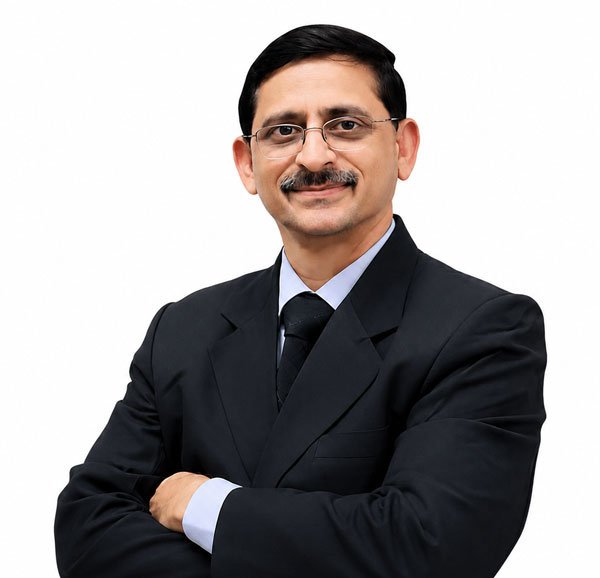
Experience: 45+
In the past, open stone surgery (OSS) was the standard treatment for large kidney and ureteric stones. Today, open surgery is rarely required because it has largely been replaced by modern minimally invasive procedures that are safer, less painful and allow patients to recover much faster.
At R P Stone Clinic in Panipat, Dr. Pawan K. Gupta carefully evaluates every patient before recommending the most suitable treatment. The choice of procedure depends on several factors, including the size, location and number and hardness of the stone, as well as the patient’s overall health and kidney function.
Today, kidney stones can be treated using different methods depending on the patient’s condition.
The commonly used treatment options include:
Each method has its own advantages, limitations and indications. Your kidney stone specialist will recommend the most appropriate treatment after a detailed diagnosis.
Ureterorenoscopy (URS) is a minimally invasive procedure used to remove stones from the lower part of the ureter, the tube that carries urine from the kidney to the bladder. A semi rigid telescope is passed through the natural urinary passage and advanced into the lower ureter.
If the stone is large, a laser is used to break it into smaller pieces, which are then removed or allowed to pass naturally.
Depending on the patient’s condition, a Double J (DJ) stent may be placed temporarily after the procedure to help urine drain smoothly while the ureter heals.
Percutaneous Nephrolithotomy (PCNL) is a minimally invasive surgery used to remove large or complex kidney stones. During the procedure, a small opening is made in the back & Kidney to reach the kidney directly. A nephroscope is passed through this opening to break and remove the stones.
PCNL involves a small skin incision and much less invasive than traditional open stone surgery.
Retrograde Intrarenal Surgery (RIRS) is one of the most advanced minimally invasive procedures for kidney stone treatment. It is performed using a flexible ureteroscope, which is passed through the natural urinary passage into the kidney. A laser fibre is then used to break the stone into very small fragments. Because the procedure is performed through the natural urinary tract, no cut or artificial opening is made in the body. These fragments so formed are basketed and removed using specialized stone retrieval baskets or with suction using FANS or DISS.
At R P Stone Clinic, a majority of suitable kidney stones are treated using RIRS because of its excellent results and faster recovery. R P Stone Clinic is recognized as a pioneer centre for RIRS in India.
Under the guidance of Dr. Pawan K. Gupta, who has been performing RIRS since 1998, the clinic offers advanced kidney stone treatment using:
The clinic has also organised national and international workshops on RIRS, reflecting its long-standing contribution to the field of endourology.
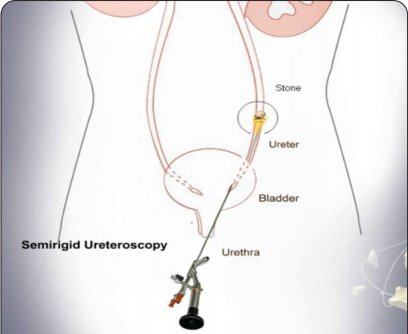
(Ureterorenoscopy)
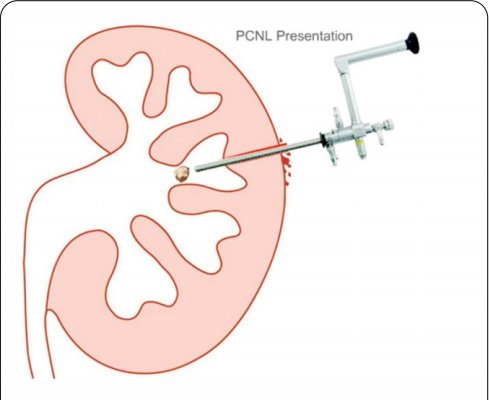
(Percutaneous Nephrolithotomy)
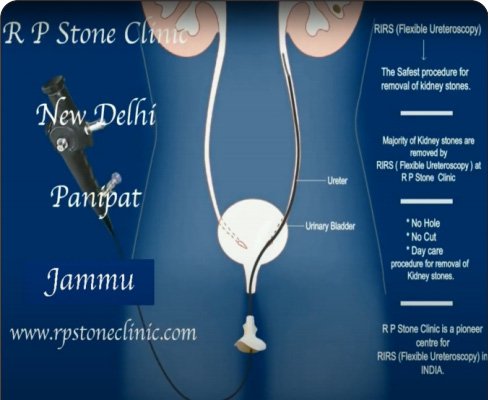
(Retrograde Intrarenal Surgery)
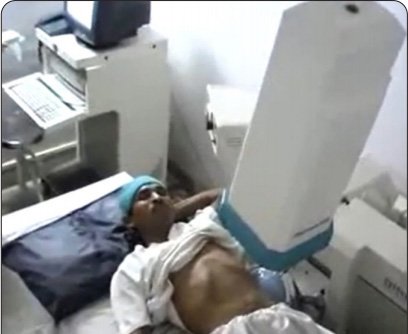
(Extra Corporeal Shock Wave Lithotripsy))
Choosing the right kidney stone specialist is just as important as choosing the right treatment. At R P Stone Clinic, Panipat, every patient receives personalized care based on the size, location and type of kidney stone, as well as their overall health.
Whether you need RIRS surgery in Panipat, URS, PCNL or expert advice for kidney stone treatment, R P Stone Clinic offers expert care under one roof.
If you would like to know more about the different methods of kidney stone treatment or wish to consult an experienced kidney stone specialist, contact Dr. Pawan K. Gupta at R P Stone Clinic in Panipat, Haryana.
Which is the best treatment for kidney stones?
There is no single best treatment for everyone. Small stones may pass with medicines, while larger or more complex stones may require URS, PCNL or RIRS. Your urologist will recommend the most appropriate option after a detailed check-up.
Which kidney stone treatment has the fastest recovery?
Recovery depends on the type of procedure and the patient’s condition. Many patients recover quickly after minimally invasive procedures such as URS and RIRS, while PCNL may require a slightly longer recovery.
Is R P Stone Clinic empanelled with insurance providers?
Yes. R P Stone Clinic is empanelled with several leading insurance providers and healthcare panels, including
Cashless treatment may be available for eligible patients, subject to insurance policy terms and approvals. Patients are advised to confirm coverage with the hospital before admission. Read More >>
Where is R P Stone Clinic located?
R P Stone Clinic is conveniently located at: SCF – 30 and 31, near Angel Prime Mall, Huda Sector 11, Huda, Panipat, Haryana 132103, India. The clinic is easily accessible for patients from Panipat, Karnal, Sonipat, Gurgaon, Rohini, Rithala, Narela, Bhiwadi, Bawana, Kurukshetra, Ambala, Rohtak, Delhi NCR, Punjab, Uttar Pradesh and nearby regions.
Who is Dr. Pawan K. Gupta?
Dr. Pawan K. Gupta is one of India’s senior-most kidney stone specialists with more than 45 years of experience in urology. A pioneer of RIRS in India, he has been performing flexible ureteroscopy and RIRS since 1998. He has organised national and international workshops on RIRS, published research in reputed journals and is widely recognised for his expertise in advanced minimally invasive kidney stone treatment.
Trusted by renowned insurance companies and healthcare partners across the country.








 SCF – 30 and 31, near Angel Prime Mall, Huda Sector 11, Huda, Panipat, Haryana 132103, India
SCF – 30 and 31, near Angel Prime Mall, Huda Sector 11, Huda, Panipat, Haryana 132103, India.
Timing:Monday - Saturday :
10:00 AM – 7:00 PM
 97291 81174
 8607043191