Understand How Kidney Stones Form and Get Expert Kidney Stone Treatment in Panipat
Kidney stones are one of the most common urinary tract disorders, affecting nearly 10% of people during their lifetime. The number of people developing kidney stones is increasing every year due to changes in their dietary habits, sedentary lifestyle and dehydration.

Experience: 45+
Understanding how kidney stones form is important to prevent them and reduce the risk of their recurrence. At R P Stone Clinic in Panipat, Dr. Pawan K. Gupta carefully evaluates the underlying cause of stone formation before recommending personalized treatment. This helps not only in removing existing stones but also in preventing future kidney stones.
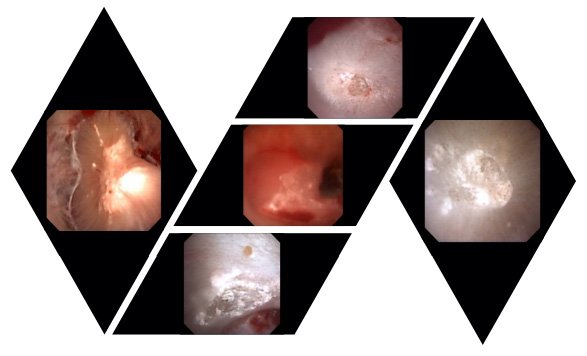
A kidney stone is a hard, solid mass formed from tiny crystals present in the urine. Normally, urine contains minerals and salts that remain dissolved. However, when their concentration becomes too high or the natural substances that prevent crystal formation are reduced, tiny crystals begin to form. This process is known as crystallization and it starts in the nephrons, which are the microscopic filtering units of the kidneys. These crystals gradually grow and join together to form larger crystal deposits, which eventually become kidney stones.
Once the crystals enter the kidney’s collecting system, they may continue to enlarge. In some people, especially those with recurrent Kidney stones, Randall’s plaques can act as a starting point for stone formation. Some stones remain small and pass naturally through the urinary tract, while others enlarge, block urine flow and cause severe pain or other complications.
Kidney stone formation is a gradual process known as crystallization.
The process generally occurs in the following stages:
Not everyone develops kidney stones. The risk depends on several factors, including hydration, diet, genetics, metabolic disorders, urinary tract abnormalities, infections and environmental conditions.
One of the important mechanisms involved in kidney stone formation is Randall’s plaque.
More than eight decades ago, Alexander Randall described cream-coloured deposits on the tips of the kidney papillae after examining over 1,154 pairs of kidneys during autopsy. These deposits , known as Randall’s Plaques, are mainly composed of calcium phosphate.
These plaques act as a nidus (starting point) where calcium oxalate crystals can attach and gradually grow into kidney stones. As the stone enlarges, it may detach from the plaque and become a free-floating stone within the kidney’s collecting system.
Today, Randall’s plaque is recognized as one of the important factors responsible for the formation of calcium oxalate kidney stones, which are the most common type of kidney stones.
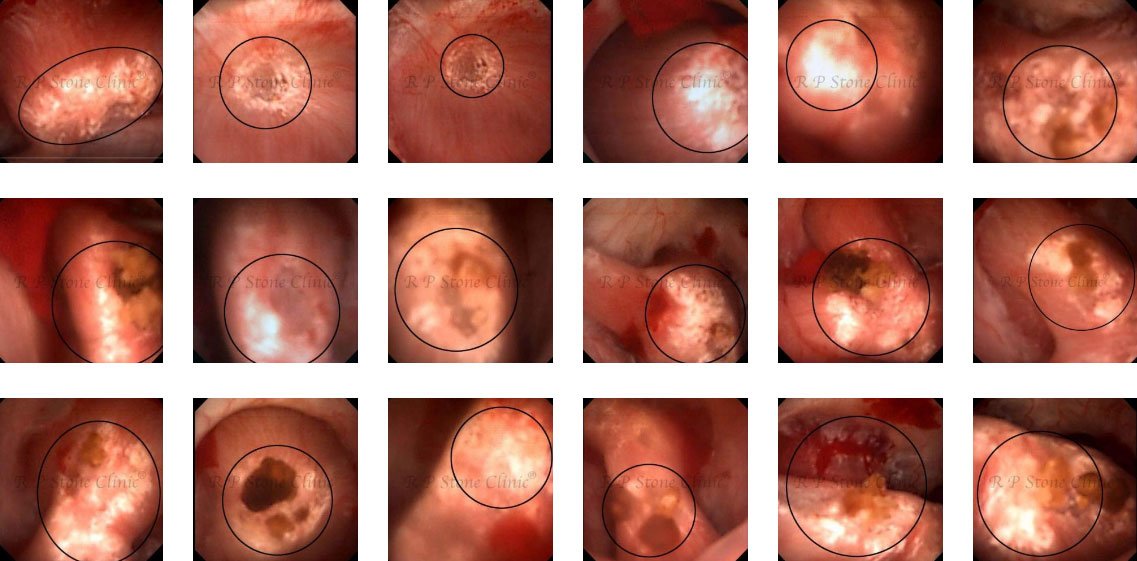
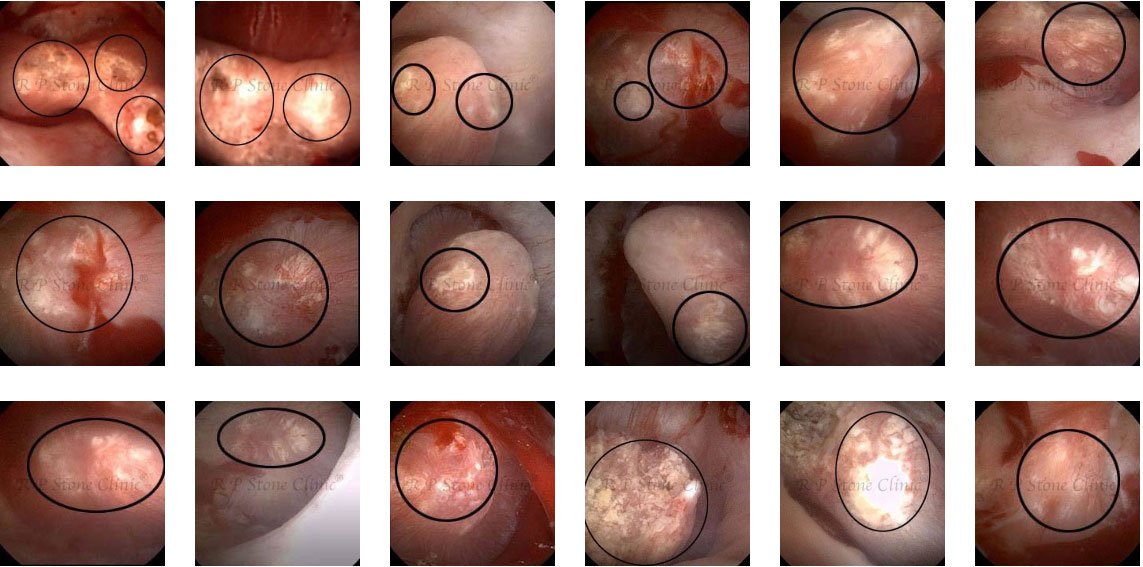
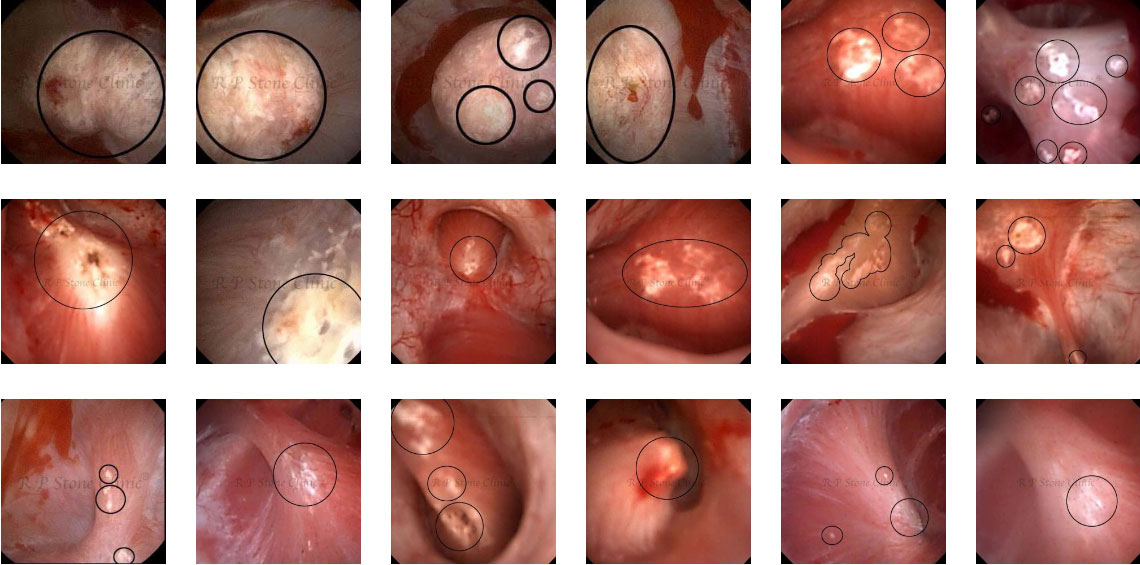
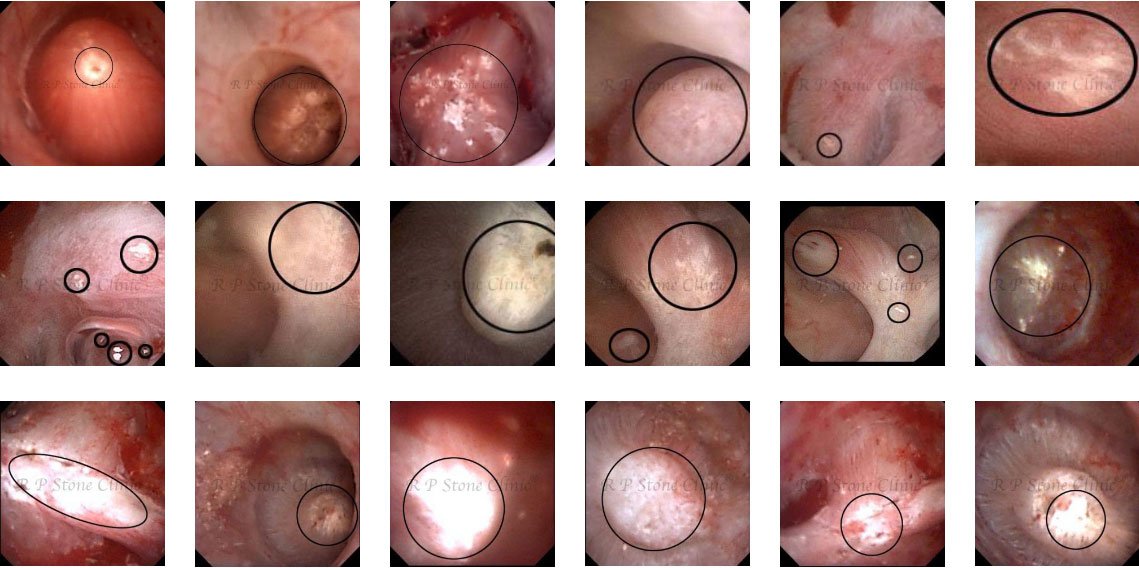
At our clinic, we use advanced digital flexible ureteroscopy (Digital RIRS) to see these plaques clearly.
The cream or whitish patches seen on the tips of the renal papillae are Randall’s plaques. The images displayed on this page are snapshots taken from actual video recordings of RIRS surgeries performed at R P Stone Clinic.
The availability of advanced digital endoscopic technology allows Dr. Pawan K. Gupta to carefully inspect the kidney collecting system and identify these early changes.
Patients who have Randall’s plaques are at a higher risk of developing kidney stones repeatedly. Identifying these plaques helps doctors recognize patients who require closer follow-up and preventive measures.
Patients with Randall’s plaques should:
Early diagnosis and appropriate preventive care can significantly reduce the chances of future stone formation.
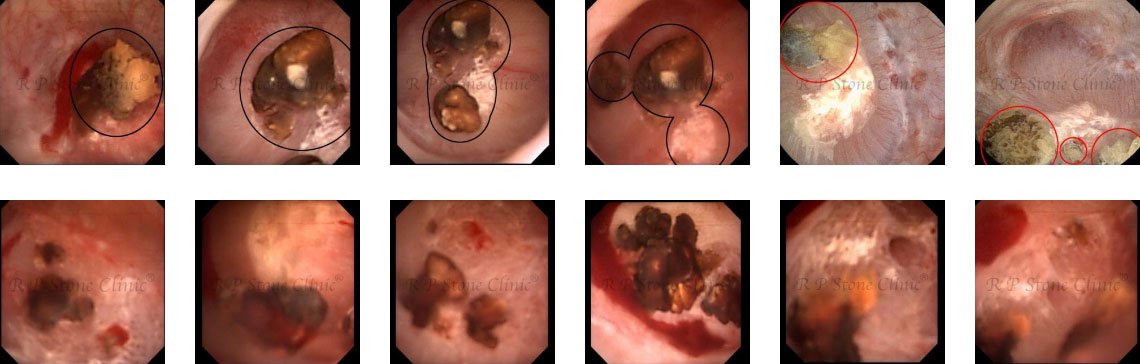
During RIRS surgery, tiny kidney stones can sometimes be seen attached directly to the renal papillae over Randall’s plaques. These early stones demonstrate how crystal deposits gradually enlarge before becoming clinically significant kidney stones.
Kidney stone formation is influenced by several factors. In many patients, more than one cause may be responsible. These include metabolic disorders, hereditary conditions, lifestyle habits, urinary tract abnormalities and certain medical diseases including obesity. Identifying the underlying cause is important because it helps in preventing recurrent kidney stone formation and choosing the most appropriate treatment option.
Metabolic abnormalities are among the most common causes of kidney stone formation. They change the composition of urine, making it easier for crystals to form and grow into stones.
Apart from metabolic and hereditary factors, several environmental and lifestyle factors play an important role in kidney stone formation.
Not all kidney stones develop for the same reason. Finding the underlying cause helps your doctor recommend appropriate preventive measures and reduce the risk of recurrence.
At R P Stone Clinic, Panipat, Dr. Pawan K. Gupta performs a detailed clinical evaluation before planning treatment. Depending on the patient’s condition, additional investigations may be advised to identify metabolic abnormalities or other risk factors responsible for kidney stone formation. This personalized approach helps achieve better long-term results and lowers the chances of recurrent kidney stones.
Although not every kidney stone can be prevented, adopting healthy lifestyle habits can significantly reduce the risk. Simple preventive measures include:
Kidney stone treatment is not limited to removing the stone. Understanding why the stone formed is equally important.
At R P Stone Clinic, Dr. Pawan K. Gupta, who has over 45 years of experience in urology, carefully evaluates each patient to identify the possible cause of stone formation before recommending treatment. Depending on the patient’s condition, treatment may include dietary advice, preventive measures, medical management or advanced minimally invasive procedures such as:
All above procedures may require laser and are commonly called Laser Kidney Stone Surgery.
This personalized approach helps reduce the risk of recurrent kidney stones and improves long-term treatment results.
If you would like to know more about kidney stone formation, its causes, prevention, or the most appropriate kidney stone treatment in Panipat, consult Dr. Pawan K. Gupta at R P Stone Clinic, Panipat, Haryana.
Can kidney stones be prevented?
Many kidney stones can be prevented by staying well hydrated, maintaining a balanced diet, reducing excess salt intake, treating urinary infections promptly and following medical advice based on the type of stone and its underlying cause.
Why do kidney stones recur?
Kidney stones may recur if the underlying metabolic disorder, dehydration, dietary factors, urinary obstruction, or medical condition responsible for stone formation is not identified and treated.
Is R P Stone Clinic empanelled with health insurance providers?
Yes. R P Stone Clinic is empanelled with several leading health insurance companies and TPAs, including
Cashless treatment is available as per policy terms and approval. Read More >>
Where is R P Stone Clinic located?
R P Stone Clinic is located at – SCF – 30 and 31, near Angel Prime Mall, Huda Sector 11, Huda, Panipat, Haryana 132103, India.
It provides advanced kidney stone treatment to patients from Panipat, Karnal, Kurukshetra, Sonipat, Jind, Kaithal and many other parts of North India.
Who is the kidney stone specialist at R P Stone Clinic?
Dr. Pawan K. Gupta is one of North India’s most experienced urologists and kidney stone specialists, with over 45 years of experience. He is a pioneer of Flexible Ureteroscopy (RIRS) in India and has successfully treated thousands of patients using advanced minimally invasive kidney stone procedures, including RIRS, URS, PCNL and laser kidney stone surgery. He has worked as consultant urologist with the following
and as RIRS surgeon in Max Hospital, Shalimar Bagh, New Delhi, India.
Trusted by renowned insurance companies and healthcare partners across the country.








 SCF – 30 and 31, near Angel Prime Mall, Huda Sector 11, Huda, Panipat, Haryana 132103, India
SCF – 30 and 31, near Angel Prime Mall, Huda Sector 11, Huda, Panipat, Haryana 132103, India.
Timing:Monday - Saturday :
10:00 AM – 7:00 PM
 97291 81174
 8607043191