Expert Kidney Stone Care with Personalized Advice and Advanced Treatment
Kidney stones develop silently and may not cause symptoms until they start moving within the urinary tract. While some stones are small enough to pass naturally, others can cause severe pain, urinary blockage or infection and may require immediate medical attention to prevent complications. Knowing what to do and what not to do can make a significant difference to prevent future stone formation. At R P Stone Clinic in Panipat, Dr. Pawan K. Gupta and his experienced team provide advanced diagnosis, personalized guidance and modern kidney stone treatment in Panipat, Haryana.
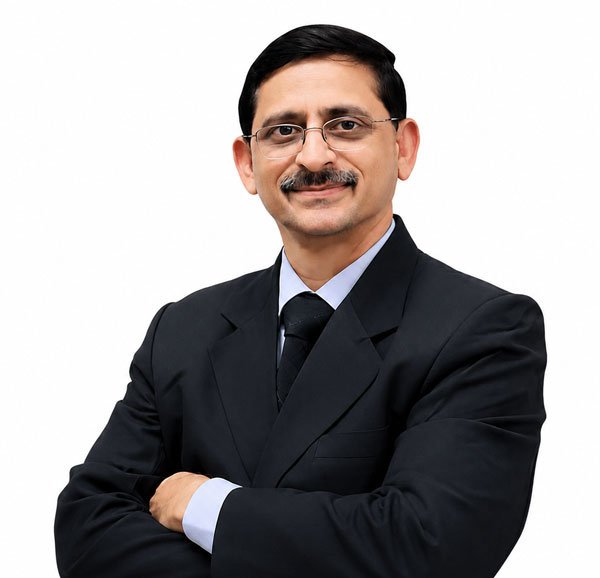
Experience: 45+
A kidney stone is not just a painful condition; it can sometimes lead to serious complications if ignored. A stone blocking the flow of urine may damage the kidney or increase the risk of urinary tract infection. While some stones pass naturally, others require medical intervention depending on their size, location and the symptoms they cause.
Maintaining proper hydration, making dietary adjustments, obtaining timely treatment, and committing to regular follow-ups can help reduce the likelihood of recurrence.
Yes. Many kidney stones can pass without treatment. Some important facts include:
In selected patients, a kidney stone may be observed for up to 6 weeks while waiting for spontaneous passage, with or without medications such as alpha-blockers or, in selected cases, diuretics.
However, this should always be done under the supervision of a urologist or Surgeon.
Waiting is not advisable if you have:
In these situations, early removal of stone is often safer than prolonged observation.
One of the simplest and most effective ways to reduce kidney stone formation is to stay well hydrated.
Aim to:
Adequate hydration is one of the most effective preventive measures.
Kidney stone pain can range from mild discomfort to severe, unbearable pain. Seek immediate medical attention if you experience severe pain that does not improve with medication, fever with chills, blood in the urine, difficulty in passing urine, persistent nausea or vomiting or pain accompanied by reduced urine output. These symptoms may indicate a urinary obstruction or infection that requires urgent treatment.
Diet plays an important role in preventing future kidney stones. However, dietary advice should be based on the type of stone whenever possible.
General recommendations include:
Some kidney stone patients require early medical evaluation without delay, even if the stone is small.
If you have only one functioning kidney, kidney stones should be treated promptly to protect kidney function.
Patients with stones affecting both kidneys should consult a urologist as early as possible to prevent obstruction and preserve long-term kidney health.
Pregnant women with suspected kidney stones should seek immediate medical advice. Treatment decisions must prioritise the safety of both the mother and the baby.
One of the biggest misconceptions is that kidney stones are a one-time problem.
In reality: Nearly 50% of kidney stone patients may develop another stone within 10 years if preventive measures are not followed.
This is why regular follow-up, adequate hydration, dietary modification are essential for long-term prevention.
One of the most important decisions you make is choosing the right urologist and hospital for treatment. Fortunately, kidney stone surgery is rarely an emergency. In most cases, there is enough time to understand condition, explore treatment options and select an experienced specialist.
Before deciding where to undergo treatment, consider the following:
Choosing an experienced specialist can improve stone clearance, reduce complications and minimise the chances of repeat procedures.
Preventing recurrence is just as important as treating the existing stone.Doctor may recommend:
Patients from Panipat and neighbouring regions trust R P Stone Clinic because of its combination of expertise, advanced treatment options and patient-centred care.
Our strengths include:
If you are experiencing symptoms of kidney stones or would like expert guidance on prevention and treatment, consult Dr. Pawan K. Gupta at R P Stone Clinic in Panipat, Haryana. With decades of experience, advanced endourological expertise and modern minimally invasive treatment options, the clinic helps every patient get the best possible result.
When should I see a doctor immediately for a kidney stone?
Seek immediate medical attention if you experience:
These may indicate urinary obstruction or infection and require immediate medical care.
What are the treatment options available for kidney stones?
Treatment depends on the size, location and type of stone, as well as your symptoms and overall health.
Modern treatment options include:
Dr. Pawan K. Gupta recommends the most appropriate treatment after a thorough evaluation, providing personalized kidney stone treatment in Panipat, Haryana.
Is R P Stone Clinic empanelled with health insurance providers?
Yes, R P Stone Clinic is empanelled with several leading health insurance companies and Third-Party Administrators (TPAs), making treatment more convenient for eligible patients.
The hospital is empanelled with:
Cashless treatment is available subject to the terms and conditions of your health insurance policy. Patients are advised to contact the hospital before admission to confirm eligibility and documentation requirements, Read More >>.
Where is R P Stone Clinic located?
R P Stone Clinic is conveniently located in Panipat, Haryana, and is easily accessible to patients from Panipat as well as neighbouring districts and states.
If you are looking for an experienced kidney stone specialist in Panipat or advanced laser kidney stone surgery in Haryana, R P Stone Clinic offers modern diagnostic and treatment facilities under one roof.
What are Dr. Pawan K. Gupta’s qualifications and experience?
Dr. Pawan K. Gupta is one of North India’s most experienced urologists and kidney stone specialists, with over 45 years of expertise in urology. A pioneer of Flexible Ureteroscopy (RIRS) in India since 1998, he has successfully treated thousands of patients using advanced minimally invasive procedures, including RIRS, URS, PCNL with the help of lasers. He has organized national and international workshops, published research in endourology, and is known for providing expert care. Patients from Panipat, Haryana, and across India trust him for his patient-friendly approach, advanced expertise and excellent treatment results. These modern procedures are commonly referred to by the general public as laser kidney stone treatment.
Trusted by renowned insurance companies and healthcare partners across the country.








 SCF – 30 and 31, near Angel Prime Mall, Huda Sector 11, Huda, Panipat, Haryana 132103, India
SCF – 30 and 31, near Angel Prime Mall, Huda Sector 11, Huda, Panipat, Haryana 132103, India.
Timing:Monday - Saturday :
10:00 AM – 7:00 PM
 97291 81174
 8607043191